Hardscape Design Mistakes to Avoid Before You Build
Costly mistakes to avoid.
Jennifer Abro
7/2/20263 min read
Hardscape Design Mistakes to Avoid Before You Build
A well-executed hardscape is one of the few home investments that appreciates in both value and daily enjoyment. Done properly, it becomes the architecture of your outdoor life — the terrace where dinner parties unfold, the pathway that frames your garden, the retaining wall that turns a sloped liability into a striking feature. Done carelessly, it becomes an expensive lesson in what should have been considered from the start.
Before the first stone is set, it's worth understanding where hardscape projects most often go wrong — not because the materials fail, but because the planning does. Here are the mistakes we see most often, and how to avoid them.
1. Designing the Hardscape Before the Drainage
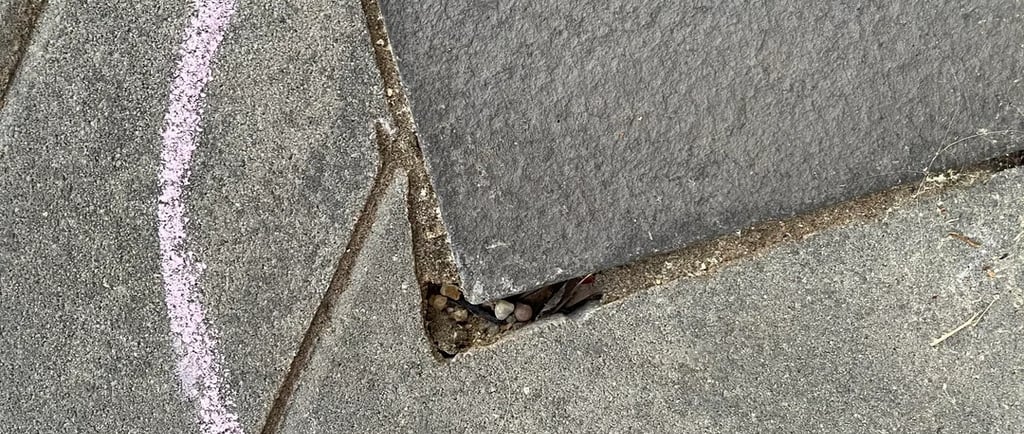
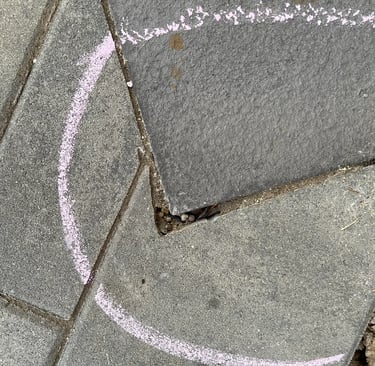
This is, without question, the most consequential mistake a homeowner can make. A patio, walkway, or driveway is only as good as the water management beneath it. Grade the site incorrectly, skip a proper base, or ignore where runoff will travel, and you're not building a feature — you're building a future problem: pooling water, heaving pavers, eroded joints, even foundation issues on the home itself.
Proper hardscaping begins below the surface, with compacted aggregate bases and grading calculated to move water away from structures, not toward them. Any design conversation that starts with material selection before drainage strategy is starting in the wrong place.
2. Choosing Materials for the Showroom, Not the Site
A paver or natural stone that looks exceptional under gallery lighting can behave very differently in direct sun, winter freeze-thaw cycles, or high-traffic areas. Some materials heat up considerably underfoot around pools. Others are prone to staining near planting beds or absorbing water in ways that accelerate wear in colder climates.
The right material is the one suited to your specific site conditions, climate, and how the space will actually be used — not simply the one that photographed well. This is precisely where an experienced hardscape designer earns their value: matching aesthetic ambition to material performance.
3. Underestimating Scale and Proportion
Outdoor spaces are deceptively difficult to plan on paper. A patio that looks generous in a sketch often feels cramped once furniture, planters, and walking clearances are accounted for. Conversely, oversized hardscape features can overwhelm a smaller lot and compete with the home's architecture rather than complement it.
The most elegant outdoor spaces are proportioned intentionally — with clear sightlines, adequate circulation space, and a scale that feels integrated with the home rather than appended to it.
4. Treating Hardscape and Landscape as Separate Projects
Stone, plantings, lighting, and structure should be designed as a single composition, not sequenced as unrelated purchases. A beautifully built wall with no consideration for what will grow around it, or a patio installed before irrigation and lighting are planned, often results in costly retrofits — cutting into finished hardscape to run wiring or drainage lines that should have been placed beforehand.
The best outdoor environments are conceived holistically from the outset, with hardscape, planting design, lighting, and utilities planned in concert.
5. Overlooking How the Space Will Be Used Year-Round
A design that looks stunning in July renderings but ignores how the space performs in shoulder seasons is an incomplete design. Will there be shade at the hours you'll actually use the space? Does the layout accommodate a fire feature or heaters for cooler evenings? Is there a transition plan for winter, particularly in a climate like ours here in Windsor-Essex?
The most successful hardscape projects are designed around a full calendar of use, not a single ideal afternoon.
6. Selecting a Contractor on Price Alone
Hardscaping is structural work disguised as aesthetic work. Base preparation, drainage engineering, and proper installation technique are not visible in the finished product — until they fail. The lowest bid often reflects shortcuts in exactly these unseen fundamentals, and the cost of correcting a failed installation typically exceeds what proper installation would have cost the first time.
The right partner is one who can speak fluently to engineering considerations, not just design preferences — and who stands behind the work with the same seriousness they bring to the sales conversation.
Building It Right, the First Time
An exceptional hardscape is the product of deliberate planning, not spontaneous inspiration. It considers what lies beneath the surface as carefully as what lies above it, and it treats your outdoor space as an extension of your home's architecture and your family's life, not an afterthought to it.
If you're planning a hardscape project in Windsor-Essex and want a design and construction partner who thinks this way from the first conversation, we'd welcome the opportunity to discuss your vision.
Ray of Sunshine Hardscaping — thoughtful design, exceptional craftsmanship.