
Concrete vs. Interlock Pavers: Which Is Better for Your Driveway, Walkway, or Patio?
An honest comparision of when to use concrete vs interlock pavers.
Jennifer Abro
5/13/20264 min read
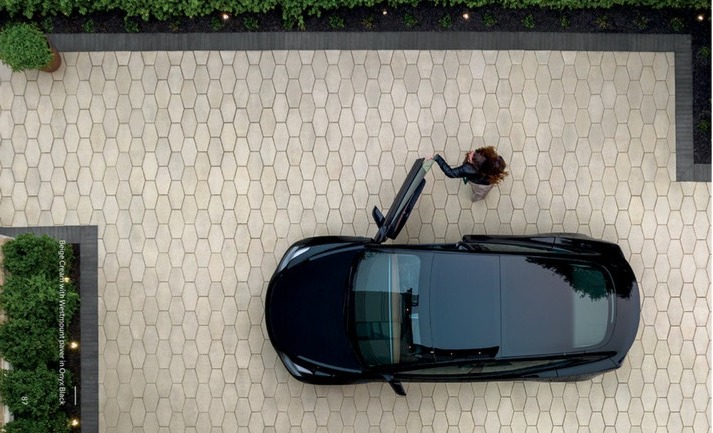
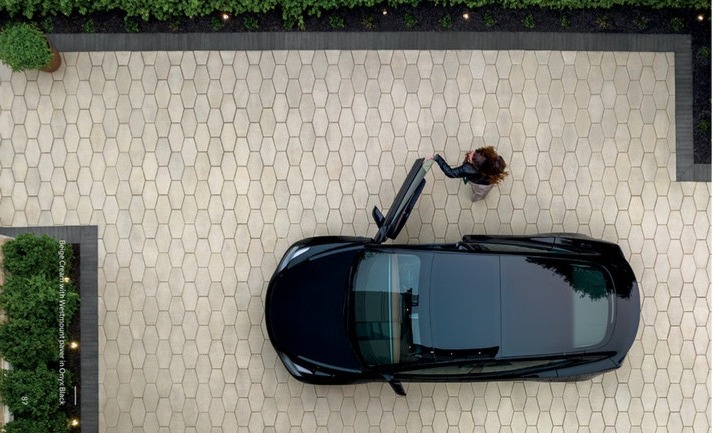
Concrete vs. Interlock Pavers: Which Is Better for Your Driveway, Walkway, or Patio?
When homeowners start planning a new driveway, patio, or walkway, the debate almost always comes down to two options: poured concrete or interlock pavers.
Both can look great. Both can increase curb appeal. Both can last for years.
But they behave very differently once weather, ground movement, drainage, maintenance, and long-term costs enter the equation.
Most people compare only the upfront price. That’s a mistake.
The smarter comparison is:
How will it perform in your climate?
What happens when it cracks or shifts?
How expensive is it to repair?
Will it still look good in 10 years?
Here’s the real breakdown.
Concrete: The Pros and Cons
Concrete is popular because it’s simple, clean-looking, and usually cheaper upfront.
For many homeowners, that lower initial price is the main reason they choose it.
Pros of Concrete
Lower Initial Cost
Poured concrete is generally less expensive to install than interlock pavers, especially for large areas like driveways.
If budget is the primary concern, concrete often wins in the short term.
Clean, Minimal Appearance
Concrete offers a clean, uniform look.
Stamped or colored concrete can also create decorative finishes that mimic stone or tile.
Faster Installation
A standard concrete project can often be completed faster than a full interlock installation because there are fewer individual components involved.
Good for Large Continuous Surfaces
Concrete performs well in wide, open spaces where a seamless surface is desired.
Cons of Concrete
Cracking Is Almost Guaranteed
Concrete cracks. The real question is when.
In climates with freeze-thaw cycles like Canada, ground movement and moisture expansion eventually create stress fractures.
Control joints help direct cracking, but they don’t eliminate it.
Repairs Are Difficult
When concrete cracks, repairs are rarely invisible.
Patching often creates noticeable color differences and texture inconsistencies. In many cases, sections need to be cut out and repoured.
Drainage Limitations
Traditional concrete is less permeable than interlock systems, meaning water runoff can become a problem if grading is poor.
Poor drainage leads to pooling, ice buildup, and surface deterioration.
Salt and Freeze Damage
De-icing salt and harsh winters can gradually weaken concrete surfaces, causing scaling, flaking, and surface erosion over time.
Harder to Modify Later
If you ever need to access underground utilities, add lighting, or expand the space, concrete usually requires demolition and replacement.
Interlock Pavers: The Pros and Cons
Interlock pavers are individual paving stones installed over a compacted base system.
The strength comes from flexibility and load distribution rather than a single rigid slab.
That distinction matters more than most homeowners realize.
Pros of Interlock Pavers
Better Resistance to Cracking
Because pavers flex independently, they handle freeze-thaw movement much better than concrete.
Instead of large visible cracks, small shifts can usually be corrected by lifting and re-leveling affected sections.
Easier Repairs
This is one of the biggest long-term advantages.
If a section sinks, stains, or gets damaged, individual pavers can be removed and replaced without tearing out the entire surface.
That dramatically lowers repair complexity.
Superior Aesthetic Options
Interlock offers far more variety in:
Colors
Patterns
Textures
Borders
Shapes
That flexibility makes it easier to create a custom, high-end appearance.
Better Drainage Performance
Properly installed interlock systems allow water to move through joints and into the base system more effectively than solid concrete slabs.
That reduces pooling and helps manage runoff.
Higher Perceived Value
Well-designed paver installations often create a more premium appearance that can improve curb appeal and resale value.
Cons of Interlock Pavers
Higher Upfront Cost
Interlock typically costs more than concrete because:
Installation is more labor intensive
Base preparation is critical
Materials are more expensive
Cheap interlock installations usually fail because corners were cut in excavation or base compaction.
Weed Growth and Joint Maintenance
Over time, weeds or moss can appear between joints if maintenance is neglected.
Polymeric sand helps reduce this, but periodic maintenance is still necessary.
Installation Quality Matters More
A poorly installed paver system can shift, settle, or separate quickly.
The contractor matters more with interlock than many homeowners realize.
Good base preparation is everything. I repeat good base preparation is everything! This is one step you should pay very close attention to and ensure your contractor is addressing any issues before laying down interlock pavers.
Snow Removal Can Require More Care
Metal snow plow edges can occasionally catch paver edges if the installation is uneven or poorly maintained.
Proper installation minimizes this risk.
Which Option Lasts Longer?
A properly installed interlock system generally ages better in freeze-thaw climates.
Concrete tends to deteriorate progressively once cracking and surface damage begin.
Interlock, on the other hand, is modular. Problems can be repaired section by section instead of replacing the whole surface.
That flexibility is a major long-term advantage.
But there’s a catch:
A cheap interlock job can fail faster than good concrete.
Base preparation determines almost everything. This can not be repeated enough.
Which Is Better for Driveways?
For driveways, interlock usually performs better long term because it handles:
Vehicle weight
Ground movement
Freeze-thaw cycles
Spot repairs
more effectively.
Concrete can still work well, especially for:
Simpler designs
Lower budgets
Minimalist aesthetics
But once cracking begins on a driveway, repairs become difficult to hide.
Which Is Better for Patios?
Patios depend more on design goals.
Choose concrete if you want:
A clean slab look
Lower upfront cost
Minimal patterning
Choose interlock if you want:
A luxury outdoor space
Curves and custom layouts
Better drainage
Easier future modifications
Which Is Better for Walkways?
Walkways benefit heavily from interlock because:
Small repairs are easy
Settling sections can be corrected
Decorative borders and patterns add curb appeal
Concrete walkways are simpler and cheaper, but can become visually uneven once cracks develop.
The Biggest Mistake Homeowners Make
They compare quotes without comparing installation standards.
A low-price concrete job may lack:
Proper reinforcement
Adequate base depth
Correct expansion joints
A low-price interlock job may skip:
Proper excavation
Compaction stages
Edge restraints
Drainage planning
The visible surface is only as good as what’s underneath it.
That’s what determines whether your project lasts 5 years or 25+ years.
Final Verdict
There’s no universal winner.
Concrete is usually better for:
Lower upfront budgets
Clean slab aesthetics
Simpler layouts
Interlock is usually better for:
Long-term durability
High-end appearance
Repair flexibility
Freeze-thaw climates
Custom design work
If you’re optimizing for lowest initial cost, concrete often makes sense.
If you’re optimizing for longevity, appearance, and repairability, interlock typically delivers better long-term value